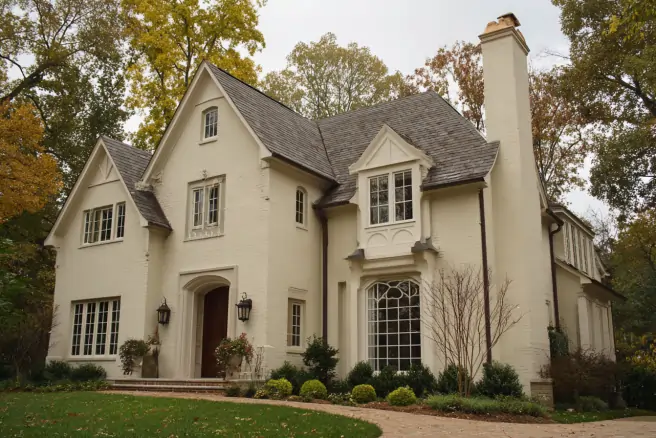
 Exterior paint serves more than just an aesthetic purpose. It acts as a critical barrier against weather, environmental wear, and damage, while also enhancing your home’s curb appeal. Understanding why exterior paint matters can help homeowners make informed decisions when it comes to protecting and beautifying their properties.
The Functionality of Exterior Paint
- Weather Resistance: Protects against rain, snow, UV rays, and extreme temperatures that can cause damage over time.
- Moisture Protection: Prevents water from penetrating the surface materials of your home, reducing the risk of mold or mildew growth.
- Durability: Withstands physical wear like scratches or chipping caused by debris or other forces over time.
- Aesthetic Enhancement: Offers an opportunity to revamp your home’s look through modern or classic color palettes that align with current trends or individual preferences.
Types of Exterior Paint
| Type | Description | Best Used For |
| Acrylic Latex | Water-based; resists peeling and chalking; flexible for slight expansion/contraction | Wood siding, stucco |
| Oil-Based | Durable finish; ideal for surfaces prone to heavy use | Doors, trim |
| Elastomeric | Highly flexible; seals cracks effectively | Masonry surfaces |
How Exterior Paint Impacts Your Home
- Increases Durability: Surfaces prone to cracking or wearing benefit from high-quality coatings that prolong their lifespan.
- Boosts Energy Efficiency: Reflective paints can help lower energy bills by keeping interiors cooler in warm climates.
- Enhances Curb Appeal: A fresh coat of well-chosen paint can increase property value by making your home stand out in the neighborhood.
- Protects Against Pests: Properly sealed exteriors discourage insects like termites from invading wood structures.
Caring for Your Exterior Paint Job
To ensure longevity and maintain its benefits over time, proper care is essential after application: – Clean painted surfaces periodically with mild detergent and water. – Inspect annually for peeling or cracks that need touch-ups. – Repaint as necessary – typically every 5–10 years depending on exposure levels.
Understanding the importance of exterior paint goes beyond aesthetics—it ensures protection against environmental challenges while adding value to your property. Through careful selection and maintenance practices, you’ll ensure lasting results that benefit both appearance and functionality simultaneously.
How to Choose the Right Exterior Paint Finish with Orlando Painting Experts
Selecting the right exterior paint finish for your home is a critical decision that impacts not only the aesthetic appeal of your property but also its durability. Different finishes serve various purposes, and understanding their strengths and weaknesses will help you make an informed choice. This guide explains the different types of exterior paint finishes, their benefits, and how to choose one suited to your specific needs.
Best Types of Exterior Paint Finishes Recommended by Orlando Painters
- Non-reflective surface
- Great at hiding imperfections on walls
- Absorbs moisture more easily, making it less durable in harsh weather conditions
- Slightly more reflective than flat finishes
- Provides a subtle sheen and smoother appearance
- Easier to clean compared to flat finishes but may still wear in high-moisture environments
- Offers a soft shine without being overly glossy
- Durable and easy to clean, making it ideal for walls exposed to frequent dirt or mild abrasion
- Works well on siding, trim, and shutters
- Shiny and reflective surface that draws attention to details like trims and doors
- Highly resistant to moisture, mold, and mildew
- Perfect for areas prone to frequent contact with water or dirt
- The most reflective finish available
- Extremely durable and easy to clean but can highlight surface flaws
- Commonly used for accents such as doors, railings, or metal fixtures
Factors to Consider for Interior Painting Orlando and Choosing the Right Paint Finish
Your environment, home’s architecture, and maintenance preferences all play essential roles when deciding on an exterior finish.
1. Climate Conditions
Certain finishes hold up better in specific weather patterns: – Satin or semi-gloss finishes perform well in humid climates due to their moisture resistance. – Flat/matte paints are better suited for dry climates where water exposure is minimal.
2. Surface Material
The type of material you’re painting should inform your decision: – Wooden surfaces generally benefit from satin or semi-gloss finishes due to their ability to repel water. – Stucco or textured surfaces often look best with flat/matte paints as they hide imperfections effectively.
3. Maintenance Needs
Consider how much effort you’re willing to invest in upkeep: – High-gloss paints require periodic cleaning but offer unmatched durability. – Matte finishes may need more frequent touch-ups as they absorb dirt easily.
Quick Insights: Choosing the Right Finish with a Painting Company Orlando
| Finish Type | Durability | Maintenance | Moisture Resistance | Best For |
| Flat/Matte | Low | High | Low | Older homes; textured walls |
| Eggshell | Moderate | Moderate | Moderate | Siding; low-contact areas |
| Satin | High | Low | High | Siding; trim; moderate traffic |
| Semi-Gloss | Very High | Very Low | Very High | Doors; windowsills; molding |
| High-Gloss | Superior | Very Low | Superior | Accents like railings/doors |
Tips for Selecting the Right Sheen
When choosing an exterior paint finish: 1. Evaluate how much sunlight hits your home—glossier finishes tend to reflect light more intensely. 2. Factor in aesthetics—use higher sheens sparingly for accents while opting for mid-range choices (like satin) across larger surfaces. 3. Always test a small patch before committing fully—it’s crucial to see how light interacts with the sheen on different areas of your home at various times of day.
By carefully assessing these factors alongside your preferences, you can ensure both beauty and longevity for your home’s exterior paintwork.
Essential Tools and Materials Needed for Exterior Painting Projects
When it comes to painting the exterior of your home, the tools and materials you use can greatly influence the quality of the finished project. Proper preparation and having the right equipment ensure a smooth, efficient process while also delivering professional-grade results. Below is a comprehensive guide to the essential tools and materials you’ll need for exterior painting projects.
Tools for Surface Preparation
Preparing the surface is a critical first step in exterior painting. Neglecting this phase can result in paint peeling, uneven finishes, or reduced durability. Here’s what you’ll need:
– Pressure Washer
– Removes dirt, mildew, and debris from walls. A clean surface allows paint to adhere better.
– Look for a washer with at least 2,500 PSI to effectively handle tough grime.
- Necessary for removing loose or peeling paint from surfaces before applying new coats.
- Smoothens rough edges after scraping to create an even surface for priming and painting.
- Used to fill gaps and cracks around windows, doors, or other joints in siding for a seamless finish.
Essential Painting Tools
- High-quality synthetic brushes work best with water-based paints like latex. | Size | Purpose | |—————|———————————————| | 1″-2″ Brushes | Great for small details or trim work | | 3″-4″ Brushes | Ideal for wide surfaces like siding |
- Perfect for covering large areas efficiently. | Roller Type | Recommended Use | |———————|————————————| | Short-Nap (1/4″) | Smooth surfaces like metal | | Medium-Nap (3/8″) | Textured siding or wood finishes |
- Attach rollers to reach high places without using ladders excessively.
- Speeds up application on large areas but requires practice to achieve a uniform coat.
Materials You’ll Need
- Protect landscaping, driveways, patios, and windows from spills.
- Consider canvas drop cloths over plastic as they’re reusable and less slippery.
- Ensures clean lines between different sections (e.g., walls vs. trim). Use exterior-grade tape designed to resist weather conditions during extended projects.
- Critical when painting over bare wood or heavily weathered surfaces.
- Choose between oil-based primers (for stain-blocking) or water-based options (for faster drying times).
- Latex Paint: Durable, easy cleanup with soap/water.
- Acrylic Paint: Offers superior color retention over time.
- High-quality caulk ensures watertight seals around edges after final coats are applied.
Safety Equipment
- Safety goggles – Protect eyes from splashes or airborne particles during sanding/spraying.
- Dust masks – Prevent inhalation of dust while sanding old paint layers.
- Sturdy ladder – Invest in an extension ladder with stabilizers if working on multi-story homes.
- Gloves – Essential when handling paints or caustic cleaning agents such as solvents.
Properly equipping yourself with these essential tools not only improves efficiency but also ensures a durable finish that enhances your home’s curb appeal. Taking time upfront to gather quality materials will save effort during both application stages and long-term maintenance cycles later on.
Step-by-Step Guide to Painting Your Home’s Exterior Like a Pro
Painting your home’s exterior is a rewarding project that can significantly improve its aesthetics and value. Proper preparation, the right tools, and a systematic approach are essential for achieving professional-level results. Below is a step-by-step guide to help you paint your home’s exterior like a pro: orlandopainter.org
Step 1: Inspect and Prepare the Surface
Before painting, it is crucial to ensure that the surface is clean, smooth, and free from damage. This will help the paint adhere better and last longer.
- Wash the Surface: Use a pressure washer or garden hose with a scrub brush attachment to remove dirt, mildew, and debris.
- Repair Damage: Fill in cracks or holes using exterior-grade filler or caulk. For larger damages, patch them with appropriate materials such as wood putty or stucco repair.
- Remove Loose Paint: Scrape off peeling paint with a scraper or wire brush.
- Sand Rough Areas: Smoothen rough patches using sandpaper (medium-grit) for better paint adhesion.
- Mask Off Areas: Cover windows, doors, trim, and other non-painting surfaces with painter’s tape and drop cloths.
Step 2: Choose the Right Paints and Primers
Selecting high-quality paints and primers designed for exterior use ensures durability against weather elements.
- Use an exterior-specific primer, especially on bare wood or previously unpainted surfaces.
- Opt for 100% acrylic paint, which offers excellent durability against moisture, UV rays, and temperature changes.
- Consider purchasing paint with built-in mildew resistance if you live in humid climates.
| Paint Type | Recommended Uses | Benefits |
| Flat/Matte | Large wall surfaces | Hides imperfections well |
| Satin/Eggshell | Trim work & siding | Easy to clean; mild sheen |
| Semi-gloss/Gloss | Doors & woodwork | High durability; resists stains |
Step 3: Gather Essential Tools
- Brushes (angled for edges)
- Rollers (with extension poles)
- Drop cloths/tarps
- Ladder or scaffolding
- Painter’s tape
- Paint trays
- Safety gear (gloves, goggles)
Step 4: Prime the Surface
Priming creates an even base for your paint job by sealing porous surfaces.
- Apply primer to repaired areas first using brushes.
- For large areas like walls, use rollers for faster application.
- Allow adequate drying time as per product instructions before moving on to painting.
Step 5: Apply Exterior Paint
Now comes the main task—applying your chosen paint color.
- Start from the top of your house and work downward systematically to avoid drips on freshly painted surfaces.
- Apply thin coats rather than one thick coat for even coverage:
- Use brushes for corners or small sections.
- Rollers should be used on larger flat surfaces like siding or walls.
- Wait until each coat dries before applying additional layers (if needed). Typically, two coats offer optimal coverage.
Step 6: Focus on Trim Work
Painting trim requires precision but plays a significant role in defining your home’s aesthetic appeal.
- Use smaller brushes designed for finer details when painting trim around windows and doors.
- Choose contrasting colors if you want trims to stand out aesthetically against the main body color of your home.
Step 7: Final Touches & Cleanup
- Remove all painter’s tape carefully while the paint is still slightly wet to avoid peeling off dried edges of fresh coats.
- Check for missed spots under varying light conditions; touch up as required.
- Clean all brushes/rollers immediately after use according to manufacturer guidelines so they remain reusable in future projects.
By carefully following these steps, you can achieve a flawless finish that not only enhances curb appeal but also protects your home from environmental exposure over time.
Color Selection Tips for Exterior Paint to Enhance Curb Appeal
Choosing the right exterior paint colors can significantly enhance your home’s curb appeal. The right color scheme creates a cohesive and inviting look, complementing your home’s architectural style and surrounding environment. Here are some practical tips to guide you in selecting the perfect exterior paint colors for your home.
Consider Your Home’s Architectural Style
- Colonial Homes: Traditional whites, creams, or soft grays emphasize clean lines and symmetry.
- Mid-Century Modern Homes: Earthy tones like olive greens, rust, and mustard yellows work well with retro aesthetics.
- Victorian Homes: These typically feature bold, vibrant contrasts with multiple accent colors for decorative trim.
- Craftsman or Bungalows: Natural shades such as browns, greens, and deep reds suit these earthy designs best.
Matching your paint choices to the era or style of your home helps maintain authenticity while boosting visual appeal.
Factor in Surroundings and Climate
- For homes in wooded areas, choose earth tones that blend harmoniously with natural surroundings, such as sage green or taupe.
- For coastal homes exposed to water and sand, lighter colors like pastel blues or sandy beiges reflect nautical themes beautifully.
- In warmer climates, light-colored paints help keep homes cooler by reflecting more sunlight compared to darker hues.
Consider Neighboring Homes
- Choose complementary tones relative to adjacent houses – e.g., if most homes are cool-toned (blues/grays), avoid starkly warm shades like bright orange.
- Avoid using identical palettes unless part of a planned development where uniformity is encouraged.
Use Color Theory Principles for Harmony
| Component | Role | Example Colors |
| Primary/base color | Dominates the exterior space | Neutral grays or beige |
| Accent shade | Highlights details (e.g., trim) | White/off-white |
| Contrasting tone | Adds personality (e.g., doors/shutters) | Bold reds/navy blue |
Stick with complementary schemes (opposite hues on the color wheel) if you prefer higher contrast or analogous schemes (adjacent hues) for a more subtle flow.
Sample Before Committing
Testing is vital because lighting changes can dramatically alter perceived hues outdoors:
– Paint swatches on various sides of walls exposed both morning/evening sunlit sections observing transitions day-long reflections before finalizing shade selection.
- Finding the Best Painter Orlando, FL: Why Exterior Paint Matters for Your Home
- What Every Homeowner Should Know About Orlando Painting
- Finding the Right Painter Orlando, FL: Key Differences Between Interior and Exterior Paint
- How Often Should You Repaint Your Entire Home with Orlando Painting Services
- DIY House Painting Made Easy: Advice from a Painter Orlando, FL Homeowners Trust
- Understanding the Differences Between Interior and Exterior Paints with a Painter Orlando, FL