When it comes to choosing the right paint for your project, understanding the differences between interior and exterior paint is crucial. These two types of paint are formulated differently to cater to the specific demands of indoor and outdoor environments. Below, we’ll explore their unique characteristics, components, and applications.
Composition and Durability
- Formulated for indoor use, where environmental conditions are more stable.
- Contains fewer volatile organic compounds (VOCs) to ensure better air quality indoors.
- Optimized for smooth application on walls, ceilings, and furniture.
- Prioritizes scrubbability and stain resistance over weather resistance.
- Designed to endure extreme weather conditions such as rain, humidity, wind, and UV rays.
- Contains additives like fungicides or mildewcides to resist mold growth.
- Includes higher levels of VOCs for durability against outdoor elements (note that low-VOC exterior options are also available).
- Offers enhanced flexibility to withstand expansion and contraction caused by temperature changes.
Key Features Comparison Table
| Feature | Interior Paint | Exterior Paint |
| Primary Purpose | Indoor surfaces | Outdoor surfaces |
| Durability | Resistant to stains; less durable against weather | Highly durable; withstands harsh weather |
| VOC Levels | Lower | Higher |
| Resistance | Scrubbable; resists occasional wear-and-tear indoors | Weather-resistant; prevents fading or cracking |
| Application | Smooth finish; suitable for clean indoor environments | Long-lasting protection against outdoor elements |
Usage Scenarios
- Use interior paint for:
- Living rooms, bedrooms, kitchens, bathrooms (low moisture formulations recommended).
- Furniture refinishing projects requiring a softer finish.
- Use exterior paint for:
- House exteriors including siding, trims, doors, fences.
- Surfaces exposed to direct sunlight or significant moisture.
Can You Mix Them?
While it might seem tempting to use leftover exterior paint indoors or vice versa when trying to save money on materials, this is not advisable. Using exterior paint indoors introduces unnecessary VOC emissions into your living space and may not adhere well to interior surfaces. Similarly, interior paints do not provide adequate durability or resistance needed for outdoor exposure over time.
Special Considerations
If environmental sustainability is important in your project planning: – Look for low-VOC options for both interior and exterior paints. – Consult product labels or ask manufacturers about eco-friendly formulations.
By understanding these critical differences between interior and exterior paints — from their formulation down to their ideal applications — you can ensure a successful painting project tailored specifically to your needs.
A Comprehensive Guide by Orlando Painters: Can You Use Exterior and Interior Paint Interchangeably?
When it comes to painting projects, choosing the right type of paint is crucial for ensuring durability, proper finish, and long-term satisfaction. While interior and exterior paints may look similar at first glance, they are specifically formulated for different purposes. Using them interchangeably can lead to less-than-ideal results. Below, we explore the reasons why you should carefully select the appropriate paint for your project.
Key Differences Between Interior and Exterior Paint
| Feature | Interior Paint | Exterior Paint |
| Durability | Designed to withstand scrubbing and cleaning | Built to endure weather conditions like UV rays, rain, wind |
| Binding Agents | Contains resins for smooth indoor application | Includes stronger binders for adhesion outdoors |
| VOC Levels | Lower VOCs for better indoor air quality | May have higher VOCs to resist harsh elements |
| Finish Options | Offers matte, satin, or glossy finishes | Typically more limited in finish options |
Why You Should Avoid Interchanging Paint Types
- Exterior paints often contain higher levels of volatile organic compounds (VOCs), which can impact indoor air quality.
- Exposure to these chemicals indoors could cause respiratory irritation or discomfort over time.
- Interior paint lacks the strong binders that allow exterior paint to endure UV rays, rainwater damage, or fluctuating temperatures.
- Applying interior paint outdoors can result in peeling or fading within a short period.
- Exterior paints tend to have a rougher texture compared to interior paints designed for smoother finishes.
- Using an inappropriate type of paint may compromise the final appearance of your space.
Where Each Type of Paint Excels
- Use Interior Paint for:
- Walls
- Ceilings
- Trim work
- Indoor furniture
- Use Exterior Paint for:
- Siding
- Decks
- Fences
- Garage doors
Expert Tips on Choosing the Right Paint
- Always read labels carefully before purchasing any product; manufacturers clearly indicate whether it is suitable for indoor or outdoor use.
- If you’re unsure about which type of paint will work best for your project’s unique needs, consult with a professional painter or local hardware store expert.
- Pay attention to environmental factors such as humidity levels or exposure when painting outdoor surfaces.
By understanding these distinctions and sticking with purpose-built products tailored to specific environments, you can ensure both aesthetic appeal and functional longevity in every application.
A Comprehensive Guide to Interior Painting Orlando: Can You Use Exterior and Interior Paint Interchangeably?
When selecting paint for your project, understanding the differences between interior and exterior paint is crucial. Both types of paint are specifically formulated to meet the demands of their respective environments. While it might seem tempting to use one type for both purposes, there are several factors to consider before doing so.

Key Differences Between Interior and Exterior Paints
| Feature | Interior Paint | Exterior Paint |
| Durability | Designed for minimal wear with a focus on aesthetics. | Built to withstand harsh weather conditions like rain, UV rays, and temperature changes. |
| Finish Options | Available in a wide range of finishes (matte, satin, gloss). | Typically more limited in finish options due to its functional purpose. |
| Chemical Composition | Lower levels of volatile organic compounds (VOCs), safer for indoor air quality. | Higher VOC content for strong adhesion and durability outdoors. |
| Flexibility | Less flexible as indoor structures experience stable conditions. | More flexible to prevent cracking due to expansion and contraction outdoors. |
Why You Should Avoid Interchanging Paints
- Adhesion Issues:
Exterior paint is designed to adhere better on rough outdoor surfaces like concrete or wood exposed to the elements. When used indoors, it may not properly adhere to smoother walls or surfaces. - Health Concerns:
Exterior paints often contain higher levels of VOCs and other chemicals that can release harmful fumes over time. Using them in enclosed spaces can compromise indoor air quality. - Performance Problems:
Interior paints lack the resilience required to endure rain, snow, or extreme temperatures if applied outside—they can fade, peel, or deteriorate quickly. - Aesthetic Limitations:
The sheen and texture of exterior paints may not match the desired look of an interior space.
When Can They Be Used Interchangeably?
- Small outdoor decorative projects (like painting a garden pot) might allow for limited use of interior paint as long as it’s sealed with an exterior-grade topcoat.
- For garages or sheds that experience both indoor-like protection and occasional exposure to outdoor conditions, certain hybrid “all-purpose” paints may be suitable—but only when specified by manufacturers.
Tips for Choosing the Right Paint
- Always follow the manufacturer’s recommendations on where a particular paint should be used.
- Consider investing in primers specifically designed for interior or exterior applications—this ensures proper adhesion regardless of surface type.
- Consult with professionals if you’re unsure about which paint will suit your project best.
In summary, while it might seem cost-effective or convenient to interchange these paints, doing so often results in compromised durability or health risks indoors. Always opt for products tailored specifically for their intended environment—ensuring both safety and longevity for your painted surfaces.
Important Things to Consider When Choosing a Painting Company Orlando for Your Wall Colors
Selecting the right wall color can significantly impact your space, affecting its ambiance, size perception, and overall mood. With an overwhelming number of options available, it’s essential to approach this decision with careful planning. Below are key factors to consider when choosing the perfect wall color.
1. Understand Your Room’s Function and Mood
The purpose of a room should guide your choice of wall color. Each space in your home serves a different function, and the paint color can complement or clash with that intent.
- Living Rooms: Use warm or neutral tones like beige, gray, or soft greens to create a welcoming environment suitable for gatherings.
- Bedrooms: Calming blues or muted pastels help foster relaxation and tranquility.
- Home Offices: Opt for colors like light gray or pale green that enhance focus and productivity.
- Kitchens: Bright hues such as white, yellow, or even warm shades of red can add energy while maintaining cleanliness.
Take note of how certain colors evoke emotions and choose accordingly to set the right tone for each space.
2. Consider Lighting Conditions
Lighting dramatically affects how paint colors appear in a space:
– Natural Light: Rooms with abundant natural light make lighter shades appear brighter and more vibrant. Darker hues may feel softer during daylight hours. – Artificial Light: Incandescent lighting enhances warm tones but may make cool tones feel dull. LED lighting is more balanced but can slightly alter hue temperatures. – North-Facing Rooms: These spaces often lack strong sunlight; warmer tones can balance the cooler atmosphere. – South-Facing Rooms: These get ample light throughout the day; cooler colors help create a refreshing feel while avoiding excessive brightness.
Experimenting with swatches under varied lighting conditions will help ensure the chosen color works harmoniously at all times of day.
3. Factor in Existing Elements
Evaluate your current furnishings, flooring, decor pieces, and architectural features before finalizing your paint choice:
– Select complementary shades that align with accent pieces (e.g., rugs or curtains).
– For rooms with wooden furniture or finishes, earthy tones like browns or tans work well.
– For minimalist interiors featuring metal fixtures or glass accents, opt for clean neutrals like white or gray to maintain cohesion.
A helpful strategy is to bring fabric samples (from furniture upholstery) while selecting paint swatches to ensure alignment between elements.
4. Test Paint Samples
Rather than solely relying on small swatches from hardware stores:
1. Purchase sample pots for your top three choices. 2. Paint sections of your walls large enough to visualize them properly (at least 12×12 inches). 3. Observe how these samples look under various lighting conditions at different times—morning vs evening—to assess tonal shifts.
This proactive step ensures confidence in your decision before committing fully.
5. Think Long-Term
While trends may be tempting—like bold jewel tones—it’s important to consider longevity:
– Classic neutral shades often remain timeless compared to trendy colors prone to becoming outdated quickly. – If you want versatility but enjoy color variation over time, stick with neutral walls paired with bolder accessories (like art pieces) that are easier to update later on.
Sample Color Palette Table
| Mood/Function | Suggested Colors | Notes |
| Relaxing Bedroom | Soft Blue / Lavender | Promotes calmness |
| Energetic Kitchen | Warm Yellow / Cream | Enhances vibrancy |
| Cozy Living Room | Taupe / Neutral Green | Creates a welcoming atmosphere |
| Productive Office | Light Gray / Pale Green | Balances focus & creativity |
Being thoughtful about these considerations will prevent costly repainting projects down the line while ensuring every room reflects its intended purpose beautifully.
Top Reasons Why Painting Your Walls Yellow Can Transform Your Room
Choosing the right wall color can significantly impact the mood, perception, and overall design of a space. Among the vast palette of colors, yellow stands out as a transformative choice. Whether it’s a soft pastel or a bold, saturated hue, yellow has the power to rejuvenate your interiors. Below are some compelling reasons why painting your walls yellow can make all the difference.
1. Creates Warmth and Positivity
Yellow is often associated with warmth, happiness, and positivity. This color mimics sunlight, naturally evoking feelings of energy and optimism in any room it graces. Whether you’re looking to uplift your living room or create an inviting kitchen space, yellow can add warmth to even the coldest environments.
- Soft shades (pale yellows): Promote relaxation and comfort.
- Bright shades (vivid yellows): Energize and stimulate creativity.
For instance: | Shade | Best Suited For | Effect | |—————|——————————|————————————-| | Pastel Yellow | Bedrooms or nurseries | Calmness and relaxation | | Golden Yellow | Dining areas or kitchens | Warmth and appetite stimulation | | Lemon Yellow | Study rooms or workspaces | Energy boost and mental stimulation |
2. Enhances Natural Light
One of yellow’s standout features is its ability to reflect light effectively. If you have a room with limited natural light, painting the walls yellow can make it appear brighter and more open.
Tips for maximizing this effect: – Pair yellow walls with white or light-toned ceilings. – Use mirrors strategically to bounce both natural and artificial light around the room.
3. Creates Visual Interest
Yellow walls can serve as an exciting backdrop for various decor styles: – Modern: Combine vibrant yellows with sleek furniture for a bold statement. – Rustic: Pair muted yellows with natural wood tones for an earthy feel. – Traditional: Use gold-tinted yellows alongside ornate furnishings for elegance.
To avoid overwhelming the space: – Balance bright yellows with neutral-colored furniture or decor. – Incorporate complementary shades like gray, navy blue, or white into your design palette.
4. Adds Personality to Small Spaces
Smaller rooms such as bathrooms or entryways can benefit immensely from a pop of yellow. Its inherent brightness opens up confined spaces visually while adding character without requiring additional decor elements.
Pro Tip: Consider accent walls in small areas if you’re hesitant about fully committing to yellow paint on all walls.
5. Boosts Emotional Well-being
Psychologically speaking, yellow stimulates mental activity while promoting feelings of joy and contentment. This makes it an excellent choice for spaces where social interactions occur frequently—like dining rooms—or creative hubs like home offices.
Be mindful when selecting overly bright tones as they might become overstimulating if used excessively in quiet areas like bedrooms.
By carefully selecting the shade that resonates most with your vision—and complementing it thoughtfully with other design elements—you’ll discover how painting your walls yellow can truly transform your space into something inspiring yet functional.
Key Differences Between Interior and Exterior Orlando Painting Styles
When it comes to painting your home, selecting the right type of paint is a crucial decision. Interior and exterior paints are formulated differently to address the unique challenges posed by their respective environments. Understanding these differences can help you achieve better results and ensure the longevity of your project. Here’s what you need to know about the distinctions between interior and exterior paint.
Composition Differences
- Binders: Designed for durability against scrubbing, cleaning, and general wear inside the home.
- Additives: Often include lower levels of volatile organic compounds (VOCs) to reduce indoor air pollution.
- Pigments: Focused on achieving vibrant colors that maintain consistency under artificial lighting conditions.
- Binders: Engineered for flexibility to withstand temperature fluctuations, cracking, peeling, or fading caused by external conditions.
- Additives: Include fungicides, UV blockers, and weather-resistant chemicals.
- Pigments: Formulated to resist fading due to prolonged sun exposure.
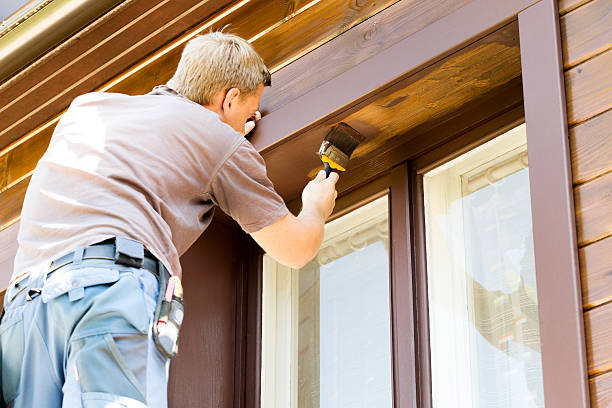
Durability
Exterior paints are specifically designed to endure harsh elements such as rain, snow, heat, humidity, and UV rays. This makes them more robust but also more toxic due to higher VOC content. Meanwhile, interior paints prioritize aesthetic appeal while being resistant enough for cleaning but not meant for outdoor wear.
| Characteristic | Interior Paint | Exterior Paint |
| Flexibility | Minimal | High |
| Resistance Features | Stain-resistant; scrubbable | Weatherproof; fade-resistant |
| VOC Levels | Low | Higher |
Finish Options
The finishes available in interior paint include matte, eggshell, satin, semi-gloss, and gloss. These offer a range of options suited for different areas like kitchens (glossier finishes for easy cleaning) or bedrooms (matte finishes for a subdued look). Exterior paint typically leans toward satin or semi-gloss finishes as they provide added durability while maintaining an attractive appearance.
Application Guidelines
- Only apply exterior paint outdoors where ventilation is sufficient due to its higher VOC levels.
- Avoid using exterior paint indoors—it can emit harmful fumes over time in enclosed spaces.
- Interior paint lacks weatherproofing agents and will degrade quickly if used outside.
Key Takeaways
Choosing between interior and exterior paints comes down to understanding environmental demands: – If painting walls indoors—opt for low-VOC formulas prioritizing aesthetics. – For outdoor surfaces—choose tough formulations designed specifically for durability against climate stressors.
By carefully selecting the appropriate type of paint based on these considerations, you’ll ensure both an excellent finish and long-lasting results tailored perfectly for your space’s needs.
Differences Between Interior and Exterior Paint: What You Need to Know
Selecting the right type of paint for your project is crucial to ensure long-lasting results. Interior and exterior paints are specifically formulated to serve distinct purposes, and understanding these differences can help you make the best choice for your needs.
Composition Differences
The primary difference between interior and exterior paint lies in their chemical composition. Each type is designed to withstand specific conditions while maintaining durability and aesthetic appeal.
- Formulated for indoor use only, focusing on smooth application and a pleasant finish.
- Contains fewer volatile organic compounds (VOCs) to minimize odors and improve air quality indoors.
- Utilizes resins that emphasize durability against cleaning, scrubbing, and everyday wear.
- Typically water-based (latex) for easy clean-up with soap and water.
- Designed to endure harsh outdoor elements like UV rays, rain, humidity, and temperature fluctuations.
- Includes higher levels of VOCs for improved durability under extreme conditions—although low-VOC options are increasingly available.
- Contains flexible resins that expand or contract with temperature changes to prevent cracking or peeling over time.
- May include additives such as mildew inhibitors or fade-resistant pigments for extended lifespan outdoors.
| Feature | Interior Paint | Exterior Paint |
| Durability | Resistant to scratches & stains indoors | Resistant to weather & UV damage |
| VOC Levels | Lower | Higher |
| Additives | Few | Mildew inhibitors & UV protection |
| Flexibility | Low | High |
Finish Options
- Matte
- Eggshell
- Satin
- Semi-gloss
- High-gloss
Exterior paint often leans toward semi-gloss or gloss finishes because they resist moisture better and are easier to clean when exposed to dirt or rain.
Durability Concerns
While interior paint focuses on resisting stains, scuffs, and scrubbing within a controlled environment, exterior paint must prioritize performance against weather-related wear-and-tear. Using the wrong type of paint in either setting can lead to premature cracking, peeling, or fading.
Tips for Avoiding Mistakes:
- Never use exterior paint indoors—it can emit harmful fumes due to higher VOC content.
- Avoid using interior paint on outdoor surfaces as it lacks the necessary durability against climate exposure.
- Always check product labels for recommendations regarding proper usage.
Painting Scenarios: Which Paint Should You Use?
- Living Room Walls: Use interior satin or eggshell paint for a smooth finish that balances appearance with easy cleaning.
- Kitchen/Bathroom Surfaces: Opt for interior semi-gloss paints; they’re more resistant to moisture buildup and grease stains.
- Exterior Siding: Choose an exterior latex-based product with mildew resistance.
- Outdoor Furniture: Use an exterior enamel-based formula for optimal weather resistance.
Final Thoughts
Both interior and exterior paints serve critical roles tailored specifically for their intended environments. Choosing wisely based on composition, additives, finish options, and durability needs will help ensure your painted surfaces remain vibrant and protected over time while minimizing unnecessary maintenance costs in the future.
- Finding the Best Painter Orlando, FL: Why Exterior Paint Matters for Your Home
- What Every Homeowner Should Know About Orlando Painting
- Finding the Right Painter Orlando, FL: Key Differences Between Interior and Exterior Paint
- How Often Should You Repaint Your Entire Home with Orlando Painting Services
- DIY House Painting Made Easy: Advice from a Painter Orlando, FL Homeowners Trust
- Understanding the Differences Between Interior and Exterior Paints with a Painter Orlando, FL